
Family Legacy Rings: The 3 Keys to Creating a Lasting Legacy
The Vanderbilts were once the wealthiest family in America. They had more money than the U.S. Treasury.
One in every 20 dollars in circulation belonged to them. Within two generations, family members were broke.
In 1973, 120 Vanderbilt heirs gathered for a reunion. Not a single one was a millionaire.
The Rockefellers started around the same era. Six generations later, now entering the seventh, over 200 descendants, and the wealth is still intact.
Same country. Similar era. Same opportunities. Completely different outcomes.
Those Family Legacy Rings are the difference.
The difference wasn’t just the money. It was three things the Rockefellers had that the Vanderbilts didn’t.
I call them the Family Legacy Rings. And you don’t need to be wealthy to start building them today.
Why 70% of Families Lose Their Wealth
The Williams Group studied over 3,000 families and found that the primary causes of wealth destruction weren’t bad investments or market crashes. They were trust issues between family members, unprepared heirs, and no shared mission.
The money part was almost never the problem. That’s why most estate planning focuses on the wrong thing.
Attorneys love the 3D model: divide, distribute, and destroy wealth. They give money at age 30, 35, and 40, but who knows what’s happening in their kids’ or grandkids’ lives at those ages?
Divorce. Addiction. Financial immaturity.
The question nobody asks is:
Are they ready for this money, or will it hurt them?
The Rockefellers answered that question with a system. Three overlapping rings that, when combined, create what I call the Rockefeller Method.
Here’s how it works.
Family Legacy Rings – Ring 1: The Family Retreat
The first ring is the one most people overlook entirely, and it has nothing to do with money.
A Family Retreat isn’t a vacation. A vacation is consumption. A retreat is investment.
It’s the structured, recurring gathering where your family connects, communicates, and builds the shared identity that wealth alone can never create.
It has three components:
- Rituals
- Traditions
- Symbols
Rituals are how you invest in your heirs to create great habits. A weekly family dinner where everyone shares a win and a challenge. A morning routine you do together on trips. The small, repeated acts that say, “This is who we are.”
Traditions bring the family together for deeper connection. Annual events that everyone looks forward to. Events that create shared memories and give people a reason to come home.
Symbols are what make it yours. A family crest. A motto. A saying everyone knows. Something visual that reminds you of the values you share.
What This Looks Like in Practice
David Rockefeller didn’t even know how wealthy his family was until his classmates told him. He wasn’t living in mansions. They had a modest house when he was young.
When his family decided it was time, they invited him to the quarterly retreats. That’s where the real wealth lived.
A retreat can set the direction. A short family money meeting keeps it alive between gatherings.
Want instant access to the free Legacy Builder Course that helps you implement what you learn in What Would the Rockefellers Do?
Grab it here to start building your own version of this system.
In our family, we have two signature traditions: the Christmas Roast, where we do skits, teasing, roasts, and funny gifts, and the Summer Olympics, silly games with meaningful conversations mixed in.
We always have a trip on the books. Always something to look forward to together.
Last year, I thought we were skipping our tradition. So I was told. But then my family continued to roast me, one by one.
My mom did a 20-minute skit making fun of me for running out of water on a hunt on an 83-degree day, dehydrated and desperate.
My sister wrote a poem. My brother-in-law wrote a song. My wife made fun of the time we thought we had an intruder in the house, but it was just a fan hitting my squat rack in the gym.
We laughed at my expense. I loved it.
We even built a family crest. Crimson background for the blood and life that bind us. Wings because we lift each other to live our Soul Purpose.
Four candles because you can light new candles without dimming your own. And Harry, this little character with a mustache and glasses, because humor, roasts, and the joy of comedy are sacred in our family.
Why This Matters for Wealth
You might be thinking, “That’s nice, Garrett. But what does this have to do with money?”
Everything.
When families don’t gather with intention, they drift. The kids grow up and scatter. Nobody talks about money because nobody ever practiced talking about anything real.
When a crisis hits, there’s no foundation of trust, no stories of resilience. There’s no shared language and no one to call.
The Vanderbilts threw parties. Lavish ones. But parties aren’t retreats.
Parties are performance. Retreats are practice.
The Vanderbilts never practiced being a family. They just spent like one.
When you gather with intention, you build trust muscle. Hard conversations become possible because you’ve had easy ones first. Your kids learn to communicate, to resolve conflict, to share.
And when the time comes to talk about money, trusts, estates, and responsibility, your family already has the relational infrastructure to handle it.
Start here: Pick one tradition. A monthly dinner, a quarterly game night, an annual trip.
Put it on the calendar. Protect it. Repeat it. That’s Ring One.
Family Legacy Rings – Ring 2: The Family Constitution
So you’ve got the family gathering. Everyone’s connected. But what are you connected around? What’s the playbook? That’s Ring Two.
A Family Constitution is not a legal document. It’s not a trust. It’s not a will. Those are tools. The constitution is the operating system that tells those tools what to do.
It answers the questions most attorneys never ask. What does this family believe? What do we fund and what do we refuse to fund? What incentives do we want to create for future generations? How do we handle disagreements? What happens when someone stumbles?
It breaks down into three parts:
- Values
- Signposts
- Guardrails
Values: The Foundation
Not aspirational ones you hang on a wall. Real ones. The things your family does when they’re at their best.
In our family, we don’t just list words like “love” and “integrity.” We wrote little statements that are easy to remember:
- Finish what we start
- Be grateful
- Love and respect life
- Be honest
- Hug and kiss to greet and say goodbye
- Lifelong learners
- Have each other’s back
- Choose great partners in marriage
- Support each other with goals
- Earn our own money
- Be playful
Notice what’s not on that list. Nothing about how much you earn. Nothing about what school you go to. Nothing about what job you have.
The values are about character, not circumstance.
The opening line of our constitution:
“Our family exists to live free, love boldly, and create value. Freedom is our core value and responsibility is the price of admission.”
Signposts: Programs That Guide Your Heirs
Signposts are the structures that guide your heirs toward productive lives. In our family, we built two.
The Family Mortgage Program.
When one of our heirs is ready to buy a home, the trust puts up to 20% down as a gift and finances the rest.
The interest that would have gone to Chase or Wells Fargo stays in the family pool. It funds the next mortgage. It funds education. It funds the next generation’s first home.
Let me put a number on this.
Say one of my kids buys a $400,000 house.
1. At a 6.5% bank rate over 30 years, they’d send over $510,000 in interest to the bank.
2. With our family mortgage, every dollar of that interest circulates back through the family.
3. We charge preferred rates, around 4.5 to 5 percent.
4. No closing costs.
5. No loan origination fees.
6. That all stays with the family.
Your financial advisor won’t help you with this.
There’s no commission in teaching your family to become their own bank.
The Entrepreneurial Capital Program.
This backs heirs who have vision, a plan, and skin in the game.
Minimum 50% personal capital at risk. Funding in stages tied to milestones. A mentor assigned for at least 12 months. Real accountability.
And if the venture fails, our family documents the lessons and adds them to the Family Knowledge Base before they can request any new funding. Education is non-negotiable.
We don’t hand out money. We invest in people.
Guardrails: Boundaries That Protect
Guardrails are the boundaries. What you won’t fund. What you won’t tolerate. Not to punish, but to protect.
Without guardrails, one bad actor, one entitled heir, one emotional decision can drain what took decades to build.
I helped Renee Deal build her family’s constitution.
The first line reads:
“This trust and constitution are created as an expression of our love, care, and hope for you, today, tomorrow, and for generations to come.”
Her family motto:
“Love in action, a hand up, not a handout.”
At the end of our constitution, there’s something called the Letter of Wishes. It’s not legal. It’s a love letter to our heirs.
Part of it reads:
“We love you for who you are, not for what you do. You have nothing to prove to be worthy of love. You will, however, be invited to discover what lights you up and to bring that light to the world.”
Your wills and trusts tell your family what they get.
Your Letter of Wishes tells them why.
Start here: Sit down with your family. Write five to ten values that are true about who you are at your best.
Not aspirational. Real. Put them where everyone can see them. That’s Ring Two.
Family Legacy Rings – Ring 3: The Family Office
So you’ve got traditions. You’ve got the constitution. But who makes sure it all actually works? Who’s watching the money? That’s Ring Three.
A Family Office is a coordinated team of professionals, your CPA, your attorney, your insurance person, your financial strategist, working together from the same playbook. The key word is together.
Most families have professionals. A CPA over here. An attorney over there. An insurance agent somewhere else. A financial person they met at a dinner party. And none of them talk to each other.
That’s not a team. That’s a collection of strangers who each see 10% of the picture and give you 100% of their opinion.
Your CPA says “put it in a retirement account.” Your insurance person says “fund this policy.” Your attorney says “put it in the trust.” Your investment person says “give it to me.”
Nobody asked what you actually want. That’s not a team. That’s a buffet of opinions.
What Coordination Actually Looks Like
One of our members, Brad, is an anesthesiologist. Dad of three, youngest was four months old when he joined us.
He’d been in a high-net-worth mastermind, had access to every expensive advisor you can imagine, and he was still confused. Nobody was coordinating anything.
Within six months of getting a coordinated team around him, he consolidated his accounts and simplified his entire financial picture. He opened a properly structured whole life policy with cash that had been sitting in a savings account doing nothing.
He bought a home, set it up as a short-term rental, did a cost segregation analysis, and generated roughly $500,000 in tax deductions. That cost seg cost him $4,000. Then he paired it with a solar tax credit strategy, reached back three years, and wiped out his tax liability for 2023 and 2025 entirely.
None of that happened because Brad got smarter. He was already smart. It happened because for the first time, his CPA, his insurance person, and his financial strategist were all in the same room, working from the same playbook.
The 4i’s of Efficiency: IRS, Interest, Investments, Insurance.
That’s where 10% or more of your income is slipping through the cracks. A coordinated team finds that money. An uncoordinated group of strangers never will.
Start here: Get the people you already have talking to each other.
One meeting. One agenda. One shared goal: make sure nothing is falling through the cracks. That’s Ring Three.
Where All Three Rings Overlap: The Rockefeller Method
Now look at what happens when all three rings overlap.
The Family Retreat creates connection. Your family actually talks. They trust each other. They have shared memories, shared values, shared identity.
The Family Constitution creates governance. There are values, signposts, and guardrails. Everyone knows the rules, not because they’re imposed, but because they helped write them.
The Family Office creates coordination. Every professional, every strategy, every dollar is working from the same playbook.
The center of the Venn Diagram, where all three overlap, is the Rockefeller Method.
That is when Family Legacy Rings stop being ideas and start becoming a system.
John D. Rockefeller didn’t just leave money. He left a system. Family councils. Committees for philanthropy, investments, and education. Younger members were gradually introduced to responsibility. They earned their seats.
The Vanderbilts left cash, and a culture of spending. Same money. Different method. Different outcome.
You can start this wherever you are. You don’t need millions. You don’t need a mansion.
You need:
- One tradition on the calendar. That’s Ring One.
- Five values written down. That’s Ring Two.
- A quarterback who brings your team together. That’s Ring Three.
That’s the beginning of your Rockefeller Method.
My Family’s Story
My great-grandfather Biagio left Italy with nothing. He herded goats in the mountains of Utah, lived in a canvas tent for years to save enough to bring his family to the US.
He didn’t see his daughter until years after she was born. He’d never held her.
And the lesson his family passed down for four generations was:
Hide money. Survive. Trust no one with it.
That scarcity mindset lasted until I decided to write a different story. Our constitution opens with “live free, love boldly, and create value.” It closes with “you are the legacy.”
Build your life so rich in meaning that money simply follows. Live a life you never want to retire from. Then pass it on.
Legacy is not what you leave. It is how you live.
In prosperity,
Garrett
Keep building a richer life
Wealth Builders Club gives you a place to ask Garrett your questions and connect your money decisions to the life you want.
Frequently Asked Questions
Do I need to be wealthy to start building Family Legacy Rings?
No. Ring One costs nothing. Pick a tradition and put it on the calendar. Ring Two costs nothing. Sit down with your family and write your values. Ring Three starts with getting the professionals you already have to talk to each other. You don’t need millions to begin building Family Legacy Rings.
What’s the difference between a Family Constitution and a trust?
A trust is a legal tool. It tells people what they get and when. A Family Constitution is the operating system behind that tool. It captures your values, sets incentives for future generations, and includes guardrails that protect the wealth from being drained by entitlement or poor decisions. Your trust without a constitution is like handing a teenager a sports car with no driving lessons.
How do I start a Family Retreat if my family isn’t close?
Start small. One dinner. One game night. Don’t make it heavy or formal. The goal is consistency, not perfection. Retreats build trust muscle over time. Hard conversations become possible because you’ve had easy ones first.
What is a Letter of Wishes?
It’s a non-legal love letter to your heirs. It lives alongside your trust documents but speaks to the “why” behind your financial decisions. It tells your family what you believe, what you hope for them, and what values you want them to carry forward.
Can a Family Office work for someone who isn’t ultra-wealthy?
Absolutely. A Family Office doesn’t require a team of 50. It requires your existing professionals (CPA, attorney, insurance, financial strategist) to be coordinated, communicating, and working from the same plan. Today, virtual Family Office models make this accessible for a fraction of the traditional cost.
More on this topic: Get a copy of What Would the Rockefellers Do?
More Free Resources
If you want to keep building momentum, start with one of these free book resources:
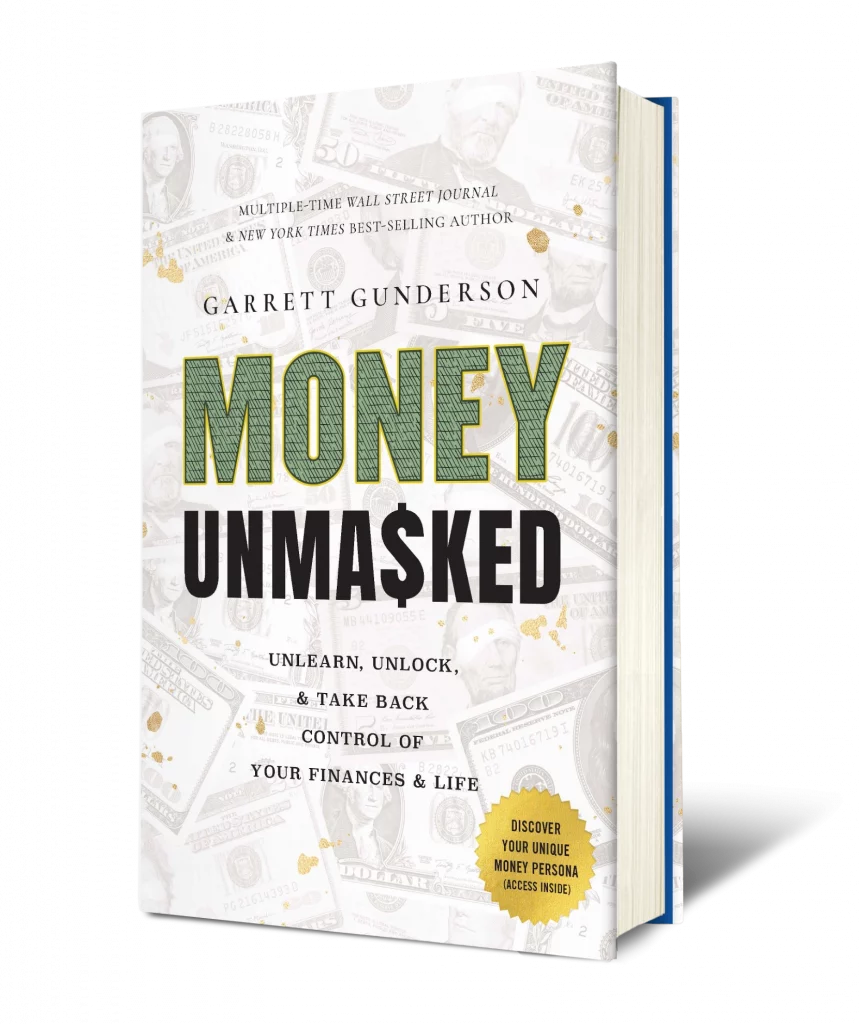
Money Unmasked
Get the free audiobook and heal the money patterns that keep fear, guilt, and scarcity running the show.
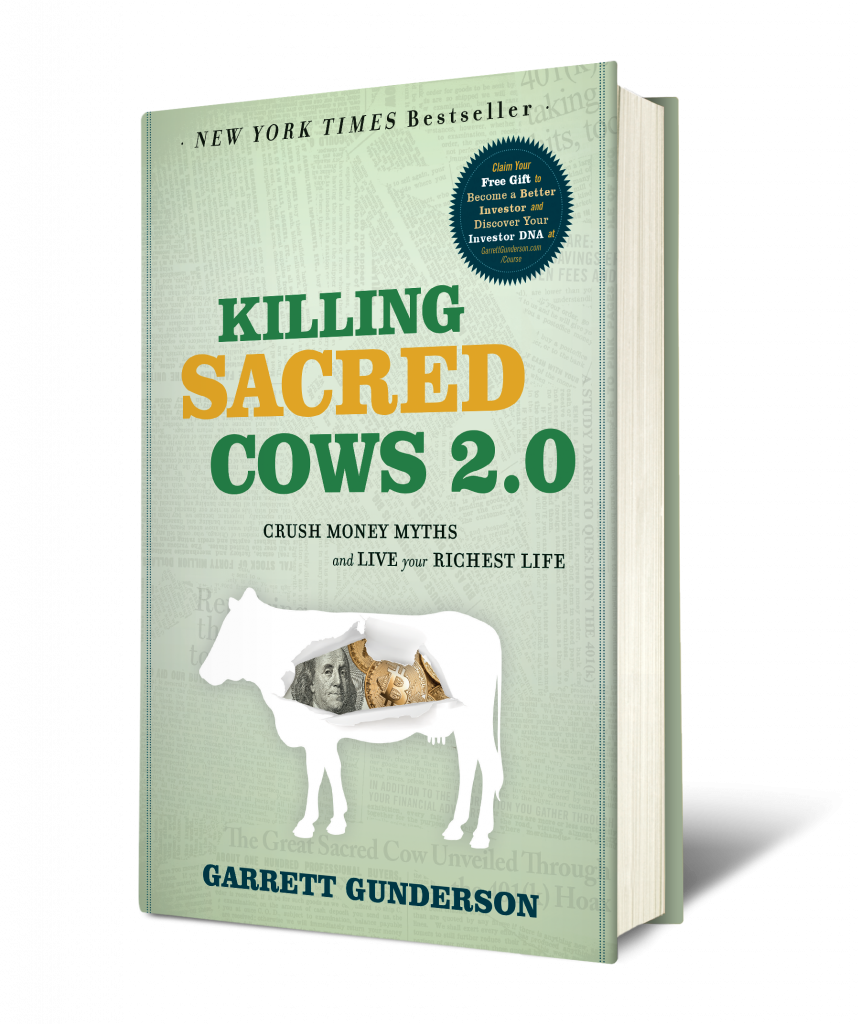
Killing Sacred Cows
Get the free book and break the financial myths that quietly sabotage legacy before it ever gets built.