
The Wealth Trifecta: Why Smart People Stay Broke
Most financial advice starts in the wrong place. Here’s the framework that fixes that.
Here’s something nobody in finance wants to admit: you can do everything “right” — and still end up stuck.
You can max out your retirement accounts, track every dollar, diversify into things you don’t understand — and wake up ten years later wondering why you feel no wealthier than the day you started.
That’s not a failure of discipline. It’s a failure of sequence.
Most people jump straight to investing without ever asking two questions that matter more than any stock pick, fund, or real estate deal: How do I see the world? and What am I actually building toward?
I call the answer The Wealth Trifecta — three forces that have to work together or nothing works at all. Miss one, and the other two collapse under their own weight.
I broke this down in a recent video — watch it here or keep reading for the full written breakdown:
What Is the Wealth Trifecta?
The Wealth Trifecta has three sides:
- Perspective — How you see money, opportunity, and yourself
- Purpose — What you’re building and why it matters to you specifically
- Plan — The financial foundation that turns vision into reality
Here’s what makes this different from every other “mindset + strategy” framework out there: the order matters. You can’t plan without purpose. You can’t find purpose while trapped in scarcity. And no plan survives contact with a person who doesn’t know what they want.
Let me walk through each one — with the mistakes I’ve made at every level.
Perspective: The Invisible Ceiling
Scarcity is the greatest destroyer of wealth. Not bad markets. Not bad luck. Scarcity. When you believe there’s a finite pie — that someone else has to lose for you to win — you start competing instead of creating. You hoard instead of building. You trade time for money and hit a ceiling because there are only so many hours in a day.
The Producer Paradigm flips this. Producers create more value than they consume. They see profit as evidence of value, not deception. And they understand something that changes everything: even if there’s only so much to go around, there’s an infinite number of times it can go around. Dollars don’t stop moving. They keep exchanging hands. The pie isn’t finite — it keeps getting baked.
I know how deep scarcity runs because I lived inside it for years.
Early in my career, I won an MDRT award in Las Vegas. I was standing in the hallway, certificate in hand, feeling pretty good about myself. Then a seasoned advisor named Nancy walked up and asked me a simple question: “What about money is important to you?”
I gave the safe answers. Security. Stability. Net worth. She kept digging — “How much is enough?” — and I pulled a number out of thin air. There was no finish line. There never is when fear holds the stopwatch.
Then she said nine words that knocked the wind out of me: “I wonder what it’s like living in the financial prison you’ve built for your wife.”
I slid down a pillar in that hallway until I hit the ground. Called my wife. Could barely speak. Told her I was sorry for the fights over money, for making her feel guilty about spending, for choosing net worth over our life together. Within three weeks, we bought our dream home.
That’s what scarcity does. It doesn’t just limit your bank account — it limits your marriage, your health, your ability to enjoy the wealth you already have. And I was a financial professional. If it could trap me, it can trap anyone.
Here’s where it gets tricky, though. The opposite of scarcity isn’t blind optimism. I’ve watched people with a “positive mindset” lose everything in an NFT because they thought positive thinking was the same as doing the work. Ignorance dressed up as abundance is still ignorance.
Real abundance requires focus. It takes abundance to say “no” — to turn down a deal, to sit in cash, to admit that something isn’t right for you yet. That’s the bridge from Perspective to the second piece of the Trifecta.
Purpose: From Flashlight to Laser
Once you can see opportunity, the hard part begins: saying no to most of it.
Purpose is your filter. It answers the question every talented person struggles with: of all the things I could do, which ones are actually for me?
I call this your Investor DNA — the intersection of your values, your competence, and what drives you. Not what’s hot on Twitter. Not what your brother-in-law made money on. What’s yours.
I’ll tell you something most finance people would never say out loud. If I had taken every dollar I invested since 1998 and dropped it in a low-cost index fund, I’d probably have more money on paper today.
That’s right. The guy writing this post would have been better off doing the “boring” thing.
I put money into a golf course that didn’t work out. I built a hard money lending fund that did well — until it really didn’t. I bought properties I shouldn’t have touched. Pure math? The boring route wins on paper.
But here’s what the spreadsheet misses. I wouldn’t have written six books. I wouldn’t have built the mental capital — the frameworks, the scar tissue, the ability to spot what’s going wrong in someone’s financial life before they can see it themselves. I wouldn’t have built the relationships that now create more value than any index fund ever could.
That’s The Value Equation at work:
Mental Capital × Relationship Capital = Financial Capital
You can be brilliant and broke if you never share what you know. You can be popular and struggling if you bring nothing real to the table. But when deep knowledge meets strong relationships? Financial capital follows. Not as a lucky break — as the natural result of who you’ve become. (Want to see where your three capitals stand? Run the free Wealth Trifecta tool.)
Your purpose isn’t just about picking investments. It’s about knowing yourself well enough to pick the right investments — the ones that match how you think, what you find yourself reading about on a Saturday morning, and where you have a real edge. Everything outside of that strike zone? That’s not opportunity. That’s distraction wearing a nice suit.
Plan: The Foundation Nobody Wants to Build
This is where most people want to start — and where they should actually finish. The Plan is insurance, asset protection, tax strategy, cash flow management, loan structure. Not sexy. Not exciting. About as thrilling as doing your laundry.
But it’s the foundation everything else sits on. Skip it and you’re building your financial house on sand.
Here’s the good news: 80% of what you think you need to know about finance, you don’t need to worry about. You just need the foundational pieces handled. And most of them can get done in 90 days. We do this with clients all the time in Multiplier — first quarter, foundations handled, done.
Let me show you what this looks like in practice.
I worked with a couple who had $250 deductibles on their car and homeowner’s insurance. They had plenty of money in the bank. They were paying top dollar to insure every fender bender, every windshield chip — the stuff that doesn’t threaten your life.
We raised their deductibles to $2,500. That’s an extra $2,250 of risk they could absorb without losing sleep. Then we took the premium savings and added a $9 million umbrella policy — the kind that covers the catastrophic stuff, the lawsuit that could actually destroy you.
Net result? $9 million more in coverage and they still saved $240 a year.
That’s the principle: insure the catastrophic, not the inconsequential. Everyone loves coverage. They just hate premium. So you restructure where the money flows and get massively more protection for less.
The plan isn’t about learning options trading or following crypto trends. It’s about asking: Do I have the right insurance? Is my estate plan set up? Am I overpaying on taxes? Are my loans structured to free up cash flow or eat it alive? Handle these foundations, and you’ve already lapped 90% of people who skip straight to chasing returns.
“But Isn’t This Just Mindset Woo?”
Fair question. Here’s the difference between this and a “think positive” seminar.
The Wealth Trifecta doesn’t say “believe it and it will come.” It says: if you don’t fix your perspective, you’ll sabotage every plan you make. If you don’t find your purpose, you’ll chase every shiny thing that crosses your path. And if you skip the foundation to go straight to investing, you’re one financial surprise away from losing everything.
This isn’t theory. I’ve watched it play out in every direction.
People who inherit money without Perspective? It goes away. Lottery winners without Purpose? Gone. People who marry into wealth without a Plan? Vanishes.
I had a friend, Jeff, who called me and said he couldn’t come to a three-day workshop because his “house was on fire” with financial problems. I told him: “You just called the fire station. You should probably show up.” Every part of his financial life was out of order. But showing up — starting the process — was the first step to getting it handled.
The math alone won’t save you if the person behind the math is running on fear, distraction, and no plan. And all the positive thinking in the world won’t help if you haven’t handled the basics.
That’s why the Trifecta works. It’s not mindset or strategy. It’s mindset then strategy then execution — in that order.
How to Put the Wealth Trifecta to Work
You don’t need to overhaul your entire financial life in a week. Start with one move from each side of the Trifecta:
1. Check Your Perspective
Ask yourself: Am I making decisions from fear or from vision? If you’re hoarding cash because you’re afraid of losing it, that’s scarcity running the show. If you’re saying yes to every deal because you’re afraid of missing out, that’s also scarcity — just wearing a different mask. Confront your financial programming and get honest about what’s driving your choices.
2. Define Your Investor DNA
Look at your history. What have you invested in? Where have you made money? Where have you lost it? What do you find yourself reading about on a day off? Find the flow instead of the force. If you’re forcing yourself into real estate because “that’s what rich people do” but you’ve never once enjoyed learning about it — that’s not your lane.
3. Handle the Foundation (In 90 Days)
- Insurance: Raise deductibles, add umbrella coverage. Insure the catastrophic.
- Asset protection: Get a living revocable trust. Even a basic one from LegalZoom is better than nothing.
- Tax team: Review the last three years. Amend returns if you missed anything.
- Cash flow: Know your numbers weekly. Cash flow over net worth — always.
- Loans: Restructure, renegotiate, or refinance anything that’s eating your monthly cash flow.
That’s the Wealth Trifecta in action. Not a magic product. Not a guru’s secret formula. Just Perspective, Purpose, and a Plan — in the right order, with the right foundation.
Because here’s the truth nobody wants to hear: there is no investment that will save you. No fund, no asset class, no trend. The only thing that compounds forever is you — your knowledge, your relationships, and your ability to create value.
That’s the Wealth Trifecta. And it’s the only framework that survives every market, every cycle, and every surprise life throws at you.
Ready to Stop Guessing With Your Money?
Most financial advice tells you to save more and spend less. That’s a losing game. Garrett’s free book Killing Sacred Cows reveals why the conventional wisdom is costing you—and what to do instead.
Do it yourself? Try the free Wealth Trifecta tool on X1 Wealth.
In prosperity,
Garrett
Ready to Build Your Life of Financial Freedom?
Most entrepreneurs are either trying to do everything alone or working with disconnected advisors who don’t talk to each other. Without coordination, your mental capital stays trapped. Your relationship capital stays untapped. And money keeps slipping through the cracks.
This isn’t traditional financial planning. It’s not about locking money away or chasing net worth. It’s about being financially fit, independent, and free. Building mental capital through expert guidance. Multiplying relationship capital with a vetted community of entrepreneurs. Creating cash flow that supports life today while building for tomorrow.
If you’re a business owner generating about $350,000+ per year and want direct support building your own family-office strategy, apply here for your personalized Report of Findings.

Frequently Asked Questions
What is the Wealth Trifecta?
The Wealth Trifecta is Garrett Gunderson’s framework for building lasting wealth. It has three sides: Perspective (how you see money and opportunity), Purpose (what you’re building and why), and Plan (the financial foundation that supports everything). The key insight is that these must be built in order — skipping to a plan without perspective or purpose leads to poor decisions and lost money.
What is the Value Equation in wealth building?
The Value Equation states that Mental Capital multiplied by Relationship Capital equals Financial Capital. Mental capital includes your knowledge, skills, and judgment. Relationship capital is the trust and network you build over time. When you develop both, financial capital follows naturally — not through luck, but through the value you create and share.
How is the Wealth Trifecta different from “just having the right mindset”?
The Wealth Trifecta isn’t about positive thinking. It combines inner work (Perspective), strategic focus (Purpose), and concrete financial actions (Plan). Positive thinking without a plan leads to bad investments. A plan without purpose leads to chasing the wrong opportunities. The Trifecta requires all three working together — mindset, direction, and execution.
What should I do first to start building wealth?
Start with the financial foundation: review your insurance (raise deductibles, add umbrella coverage), set up a living trust for asset protection, check the last three years of tax returns for missed deductions, and get your cash flow reports in order. Most people can handle these basics within 90 days. Don’t chase investments until the foundation is solid.
More Free Resources
If you want to keep building momentum, start with one of these free book resources:
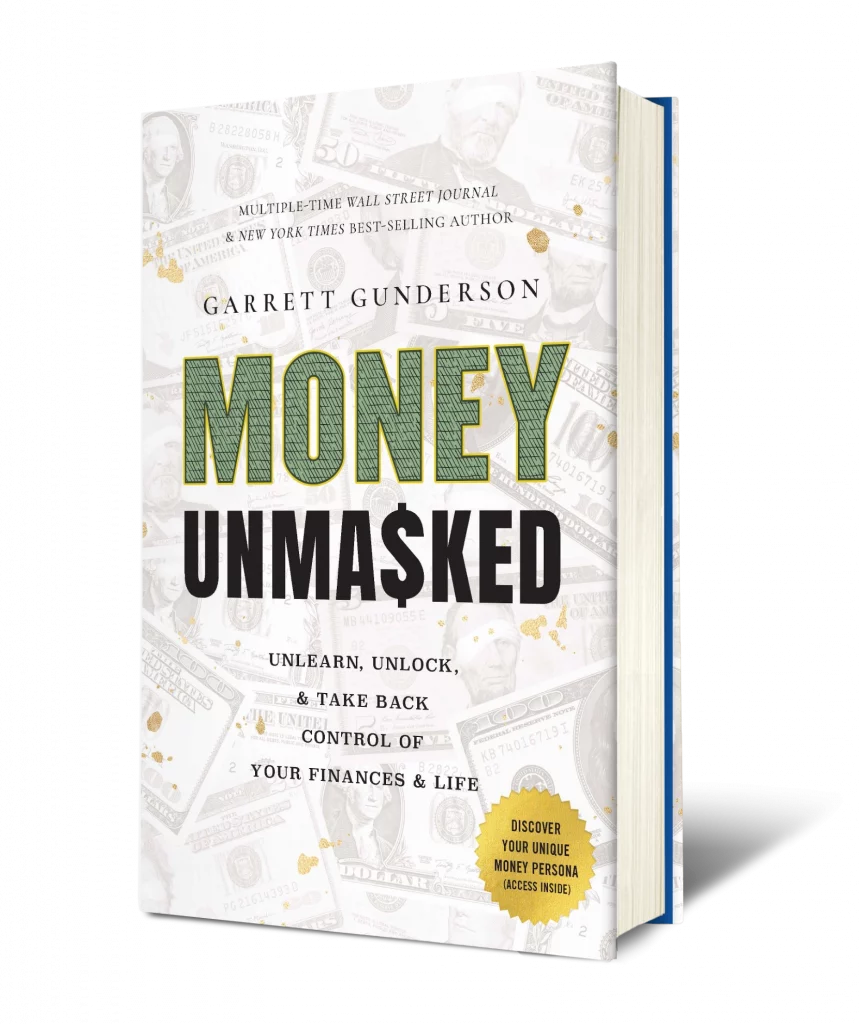
Money Unmasked
Get the free audiobook and reframe the money patterns driving your decisions.
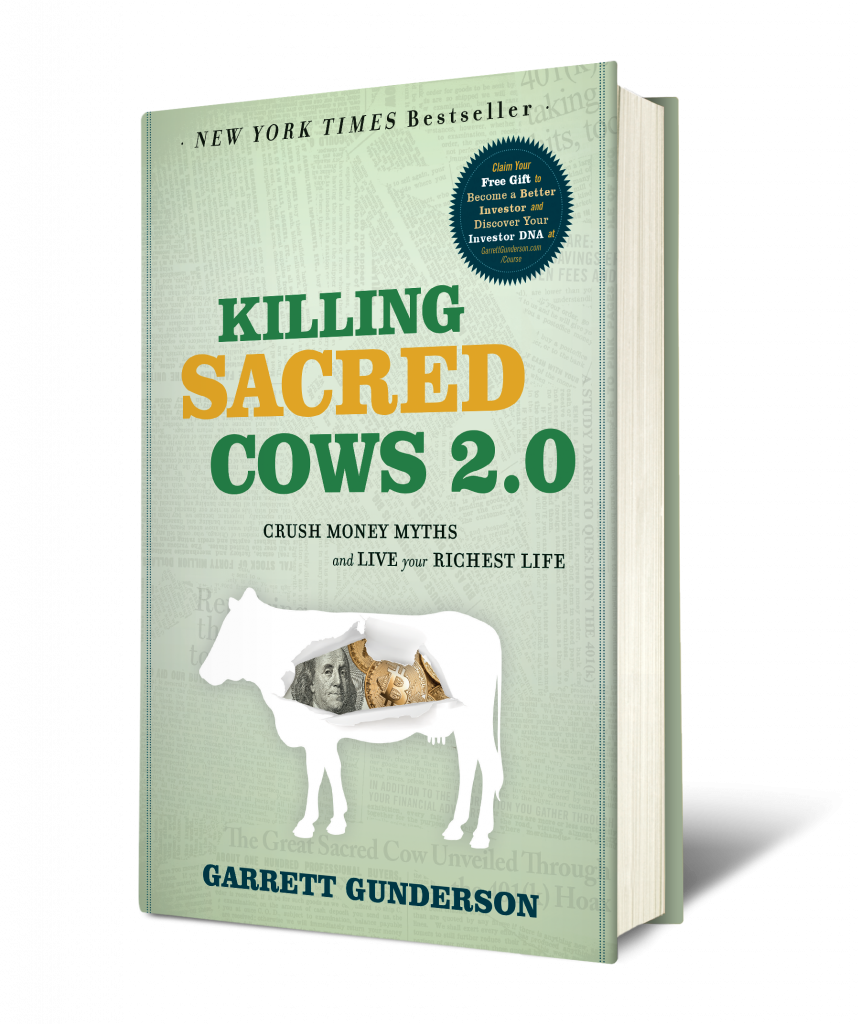
Killing Sacred Cows
Get the free book and break the financial myths that quietly keep entrepreneurs stuck.